

Calderys
PRESS RELEASES
Press Releases
CALDE® MAG GUN VELOCITY helps steelmakers reduce downtime with fast refractory gunning repairs
Download the PDF version of the Press Release
A new hot-gunning approach is improving furnace availability by increasing effective repair rates and cutting the number of maintenance interventions required in both Basic Oxygen Furnace and Electric Arc Furnace operations.
Improving the maintenance process of melting vessels
Calderys has introduced CALDE® MAG GUN VELOCITY, a refractory gunning solution designed to accelerate hot repairs and improve Basic Oxygen Furnace (BOF) and Electric Arc Furnace (EAF) availability.
Steelmaking operations depend on the availability of melting vessels. In both Basic Oxygen Furnaces and Electric Arc Furnaces, refractory linings are exposed to severe chemical, thermal and mechanical attack, resulting in progressive wear that must be managed through frequent maintenance. When repairs are slow or inefficient, they become a major driver of downtime, energy loss and operator safety exposure.
CALDE® MAG GUN VELOCITY was developed to address these constraints by enabling faster, more effective hot gunning repairs in BOF and EAF vessels.
Calderys has a full portfolio of solutions dedicated to steelmaking. Decades of experience have allowed the Group to offer a full range of refractory products, including gunning materials and bricks, and a wide range of steel casting fluxes.
Optimized for hot repairs
Unlike conventional MgO gunning materials, CALDE® MAG GUN VELOCITY focuses on achieving a high “effective gunning rate”, meaning most of the applied material adheres to the furnace wall.
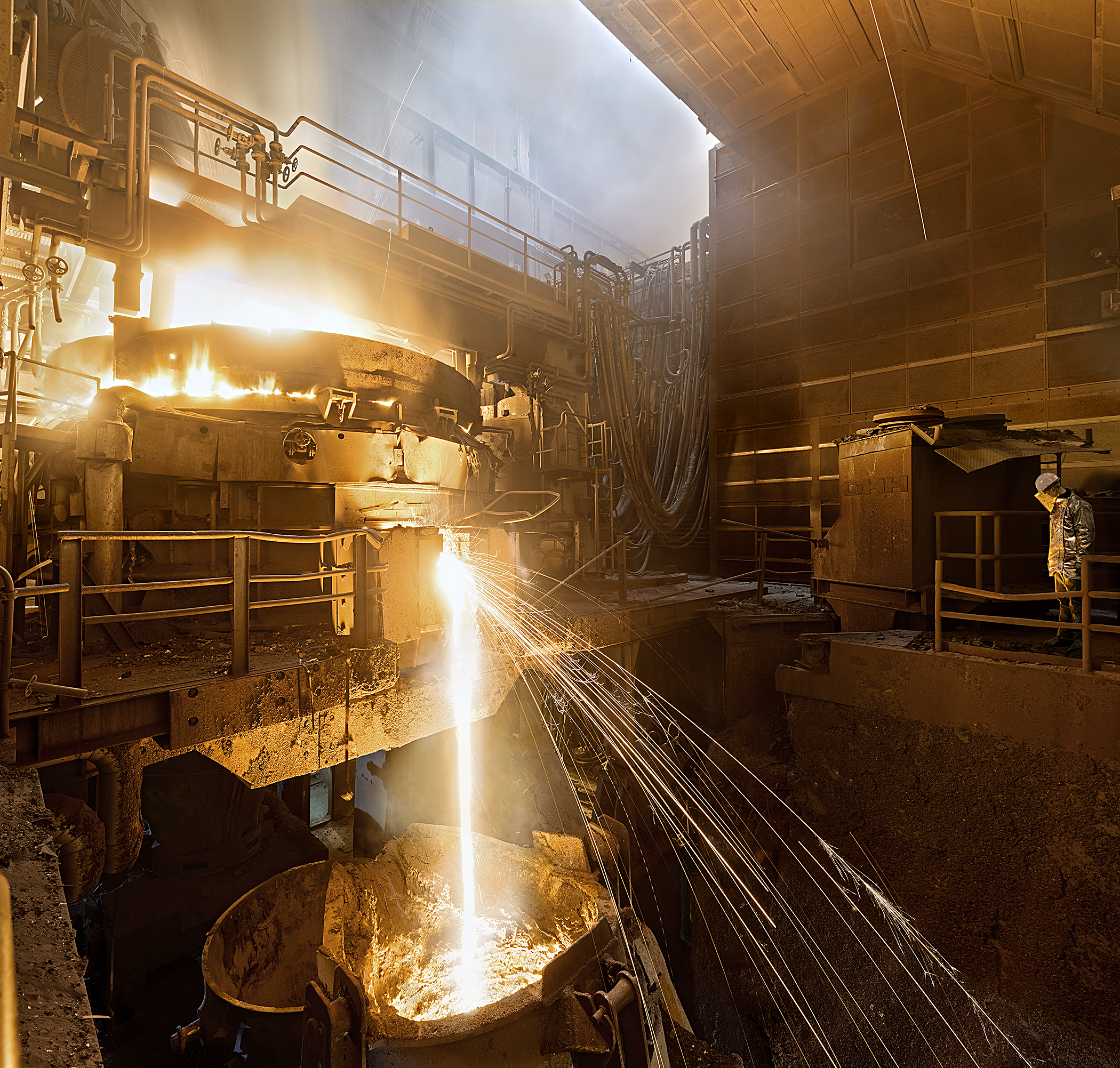
Designed for hot repairs, the chemical gel-bond system can be applied immediately after tapping, including on warm and hot linings.
“The main benefit is higher furnace availability for steel production,” Rob Crowther, Technical Support Manager at Calderys says. “A secondary benefit is fewer maintenance events, which reduces the safety exposure for operators and because you’re doing maintenance with less material, it also supports cost savings for the steelmaker.”
Industrial results show more than 1% increase in steel production in EAFs and up to 3% in BOF converters, driven by improved furnace availability and fewer gunning events.