

Calderys connects with future engineers through campus connect in India
Bridging engineering education and industrial expertise
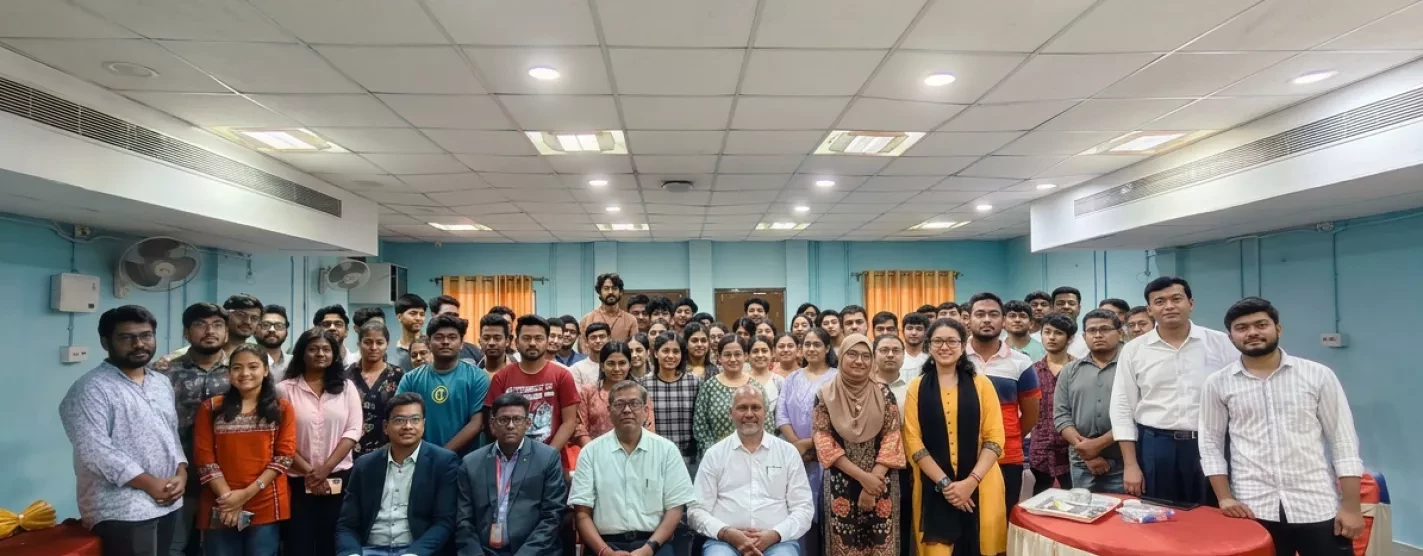
Connecting academic learning with real-world industrial experience is essential to preparing the next generation of engineers. As part of Calderys’ employer branding and Campus Connect initiatives in India, we brought industry expertise into the classroom through a series of guest lectures held in August and September 2026.
Calderys employees shared their knowledge of refractories and engineering with students across six engineering colleges in India, providing insights into industrial applications, professional practices and the role of engineering in industry.
These sessions created opportunities for students to engage directly with experienced professionals, explore practical perspectives beyond the curriculum, and gain a better understanding of the skills and knowledge required in the industrial world.
The initiative also supports our Focused Intense Rotational Education (FIRE) Program, helping us connect with promising young talent and welcome future candidates into our learning and development journey.
The Focused Intense Rotational Education (FIRE) Program is Calderys' structured early-career development program in India, designed to accelerate learning and help build future technical and business leaders.
The program welcomes two groups of young talent: Graduate Engineer Trainees (GETs), who join with an engineering degree, and Diploma Engineer Trainees (DETs), who bring a technical diploma background and a focus on hands-on learning and operational excellence.
Through cross-functional rotations, practical industrial experience, and guidance from experienced colleagues, GETs and DETs develop the technical knowledge, professional skills and operational understanding needed to grow their careers at Calderys.
Campus Connect complements this journey by creating opportunities for Calderys employees to engage with engineering students, share industry expertise and connect with potential future candidates.
Six engineering colleges, one shared goal
The Campus Connect initiative reached engineering students at institutions across Nagpur, Amravati, Kolkata and Rourkela.
The guest lectures were delivered at the following institutions:
- Yeshwantrao Chavan College of Engineering, Nagpur — Santosh Upadhyay
- Visvesvaraya National Institute of Technology (VNIT), Nagpur — Sahil Surana
- Ramdeobaba University, Nagpur — Ramendra Subudhi
- Government College of Engineering, Amravati — Bhushan Bobde
- Government College of Engineering and Ceramic Technology, Kolkata — Thangadurai Sankaralingam and Susanta Mitra
- National Institute of Technology (NIT), Rourkela — Sambarta Ray
Through these engagements, Calderys team in India strengthened connections with engineering institutions and provided students with opportunities to learn from professionals working in the refractories industry.
Bringing refractories and engineering to life
By sharing their expertise, Calderys employees helped connect engineering concepts with their practical applications in industrial environments. The sessions also offered students opportunities to interact with industry professionals, discuss technical topics and gain perspectives on the challenges and expectations of engineering careers.
This exchange between academia and industry helps students develop a broader understanding of how engineering knowledge is applied in practice.
Building connections for the next generation
Calderys thanks all participating colleges, faculty members and students for their warm welcome and engagement. Special appreciation goes to Santosh Upadhyay, Sahil Surana, Ramendra Subudhi, Bhushan Bobde, Thangadurai Sankaralingam, Susanta Mitra and Sambarta Ray for contributing their time, knowledge and experience.
Through initiatives such as Campus Connect, Calderys continues to encourage knowledge sharing, strengthen industry–academia relationships and inspire the next generation of engineering talent in India.
At Calderys, we connect expertise with opportunity to help shape the future of engineering.